
Why Your Kids Are Fighting More This Summer (And What to Do About It)
If it feels like your children have been arguing more since school let out, you're not imagining it.
One minute they're happily building a fort together. The next, they're arguing over who had the toy first, who's sitting too close, or who got the bigger popsicle. Summer can be full of wonderful family memories, but it also brings more opportunities for sibling conflict.
The good news? More disagreements don't necessarily mean your children aren't getting along. In fact, sibling conflict is a normal part of growing up. While it can be frustrating to witness (especially when you're hearing "Mom!" or "Dad!" for the tenth time before lunch), these moments can actually become valuable opportunities to teach lifelong relationship skills.
Why Summer Brings More Sibling Conflict
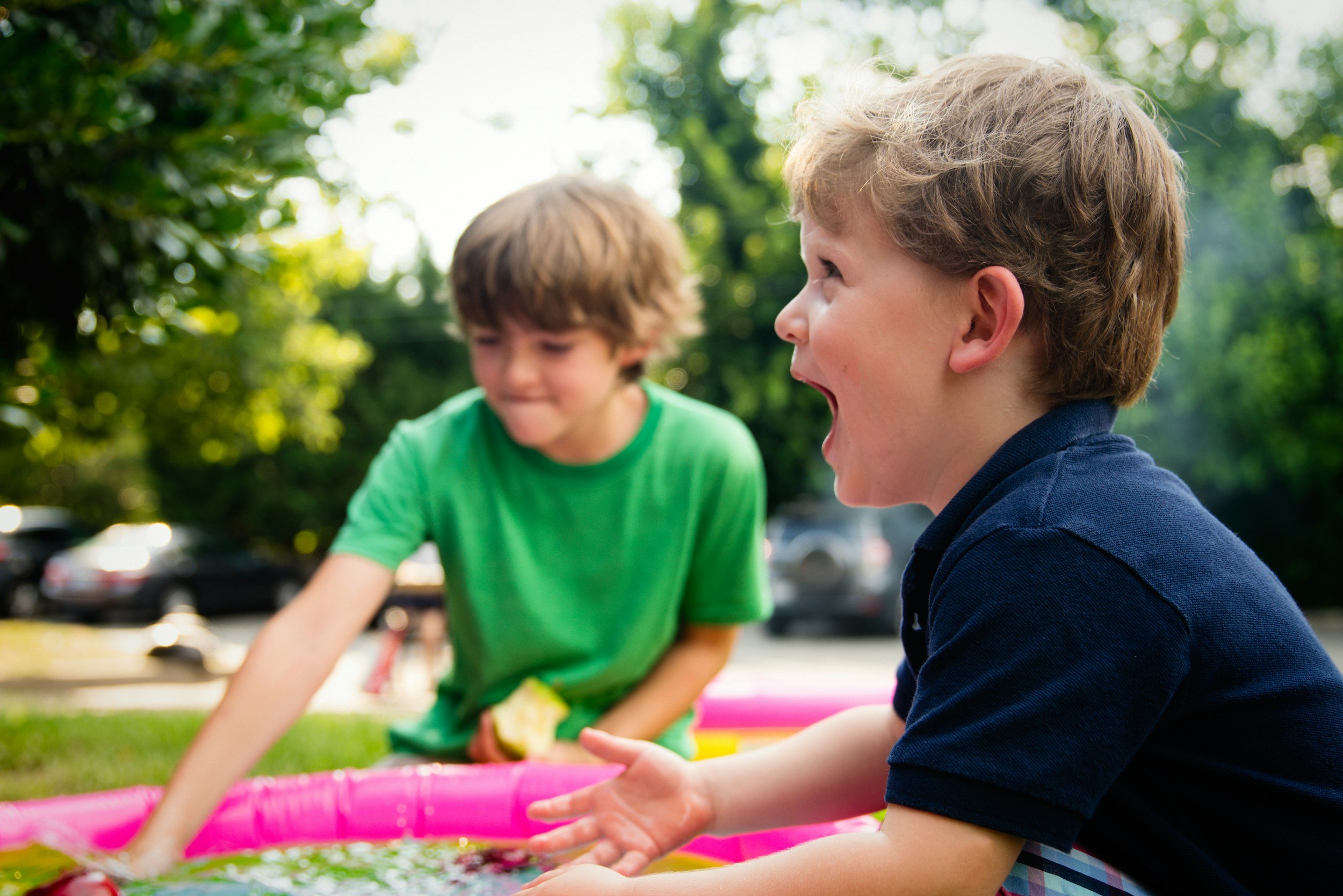
During the school year, siblings naturally have built-in breaks from one another. They're in different classrooms, engaged in activities, and following structured routines.
Summer changes all of that.
With more unstructured time, fewer daily routines, and more hours spent together, siblings simply have more opportunities to bump into each other's personalities, preferences, and emotions. Add in changes to sleep schedules, travel, busy camps, or even boredom, and it's no surprise that tensions can rise.
Remember, siblings are often practicing important social and emotional skills with the people they feel safest around. They're learning how to share, negotiate, compromise, express frustration, and repair relationships. Those skills take time—and plenty of practice.
How Parents Can Help
While it may be tempting to jump in and solve every disagreement, your role isn't to eliminate conflict. It's to help your children learn how to navigate it in healthy ways.
Here are a few strategies that can help.
1. Pause Before Stepping In
Unless someone is in danger, give your children a moment to see if they can work through the disagreement on their own.
Children often surprise us with their ability to problem-solve when they're given a little space. By resisting the urge to referee every disagreement, you're helping build confidence and independence.
2. Stay Neutral
It's easy to want to determine who started it or who's "right." But taking sides can unintentionally increase resentment between siblings.
Instead, focus on what each child is experiencing.
You might say:
"I can see you're both upset. Let's figure out what happened together."
Helping each child feel heard is often the first step toward finding a solution.
3. Teach Problem-Solving Instead of Solving the Problem
Rather than immediately deciding whose turn it is or handing down a solution, invite your children into the process.
Ask questions like:
What happened?
How is each person feeling?
What ideas do you have to solve this?
How can we make this fair for everyone?
Over time, these conversations help children develop communication, empathy, and conflict-resolution skills they'll use far beyond childhood.
4. Recognize When Everyone Needs a Break
Sometimes children are simply too overwhelmed to work through a conflict in the moment.
If emotions are running high, it's okay to help everyone pause, regulate, and come back to the conversation later. A short break isn't about punishment—it's about giving developing brains the chance to calm down before trying to solve a problem.
5. Notice the Positive Moments, Too
When siblings are constantly arguing, it's easy to focus only on the difficult moments.
But don't forget to point out when they're cooperating, sharing, comforting one another, or solving a disagreement independently.
Simple comments like:
"I noticed how you worked that out together."
or
"That was really thoughtful of you to let your brother have a turn."
can reinforce the behaviors you'd like to see more often.
When Conflict Feels Constant
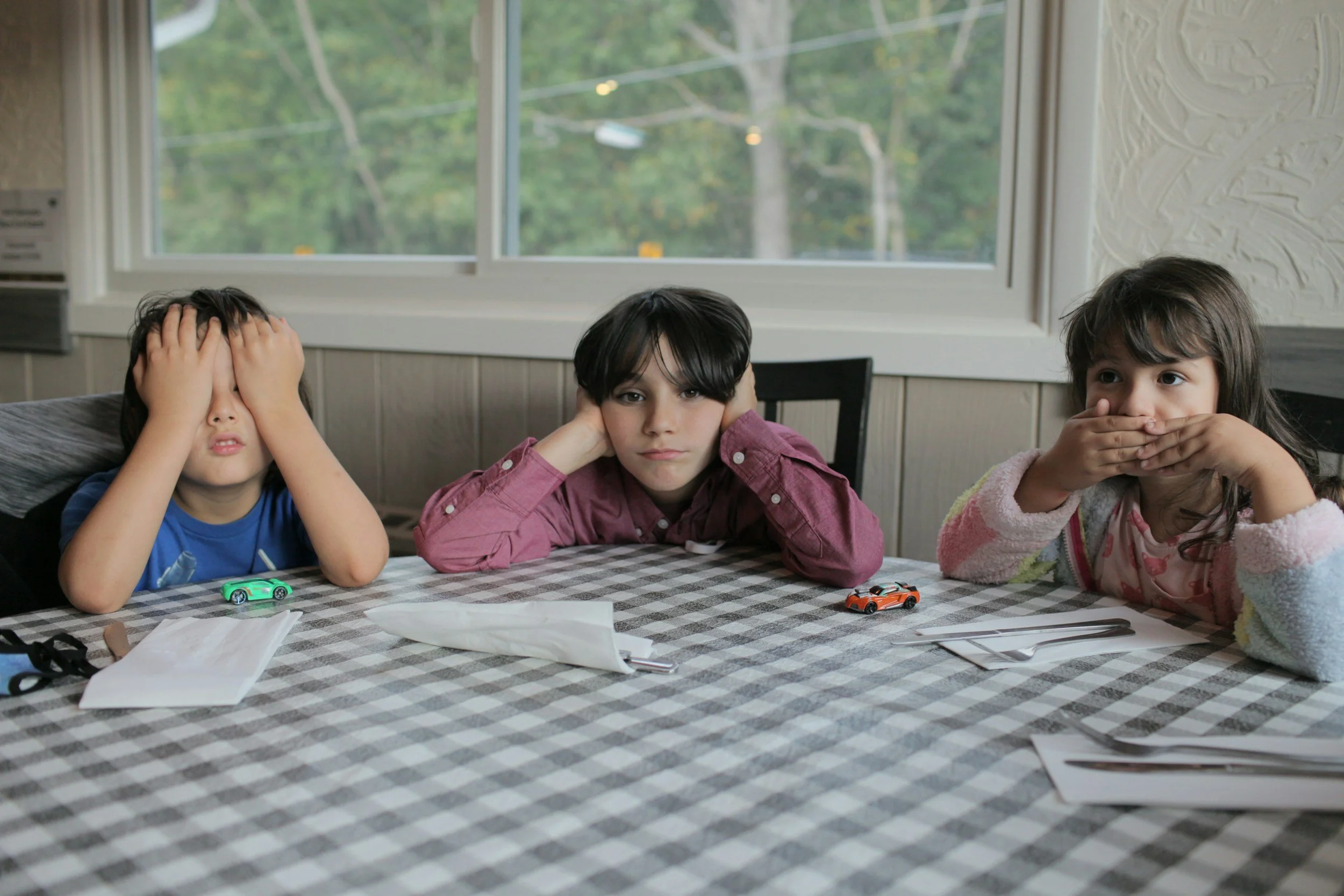
While sibling disagreements are a normal part of family life, sometimes the conflict begins to feel overwhelming. If every interaction turns into a battle, if one child seems consistently targeted, or if you find yourself feeling exhausted and unsure how to respond, you don't have to figure it out alone.
Parent coaching can provide personalized strategies that fit your family's unique dynamics. Together, we can help you better understand what's driving the conflict, respond with greater confidence, and create a calmer home environment where everyone feels supported.
If you'd like guidance tailored to your family, we'd love to help. Schedule a free consultation through our contact page to learn how parent coaching can support you: https://www.imperfectparentingla.com/contact
Progress Over Perfection
Sibling conflict isn't a sign that you're failing as a parent, and it isn't a sign that your children won't grow up to have a close relationship.
In fact, every disagreement offers an opportunity to practice important life skills like communication, empathy, compromise, and repair. With your calm guidance, those everyday squabbles can become meaningful learning moments.
So the next time you hear another round of "Mom! She's bothering me!" take a deep breath. Your children aren't just having an argument—they're learning how to build relationships. And with support, patience, and practice, they're developing skills that will serve them for years to come.
If you're feeling stuck or simply want additional support navigating sibling dynamics, parent coaching can make all the difference. Every family is different, and sometimes a few personalized tools are all it takes to bring more peace into your home. We'd love to connect with you—schedule your free consultation through our contact page and let's talk about what your family needs. https://www.imperfectparentingla.com/contact
For some sibling fun, try our Summer Sibling Challenge Bingo!